Tomato Baath With Semolina & Peanut Chutney
 Tomato Baath With Peanut Chutney
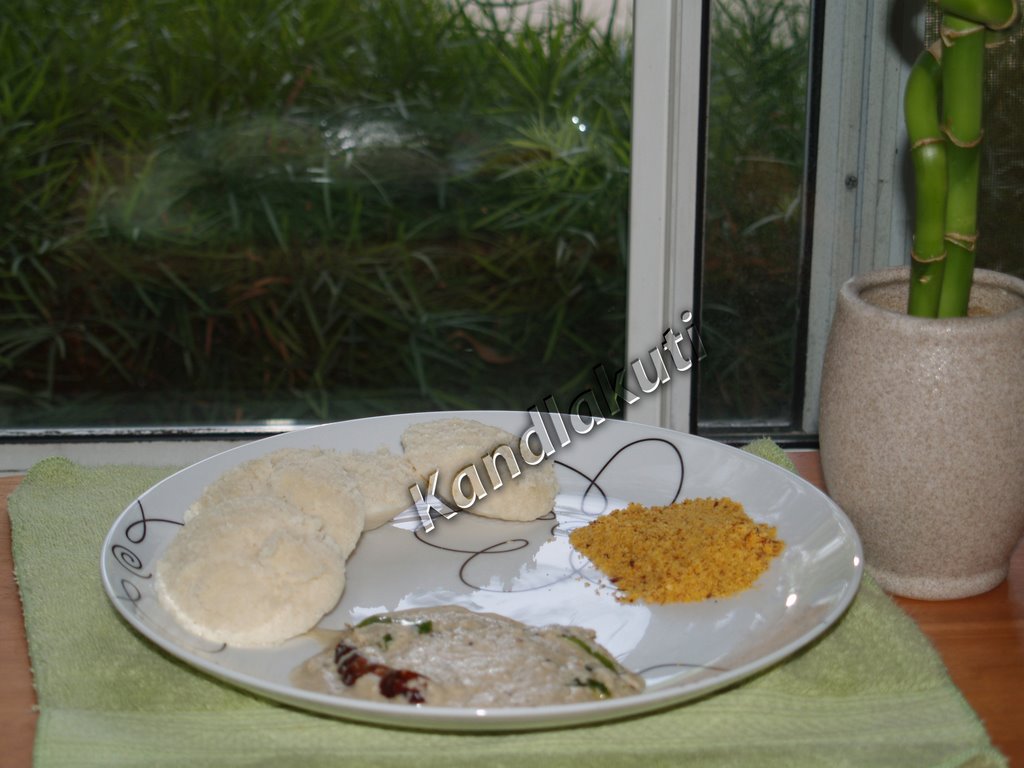
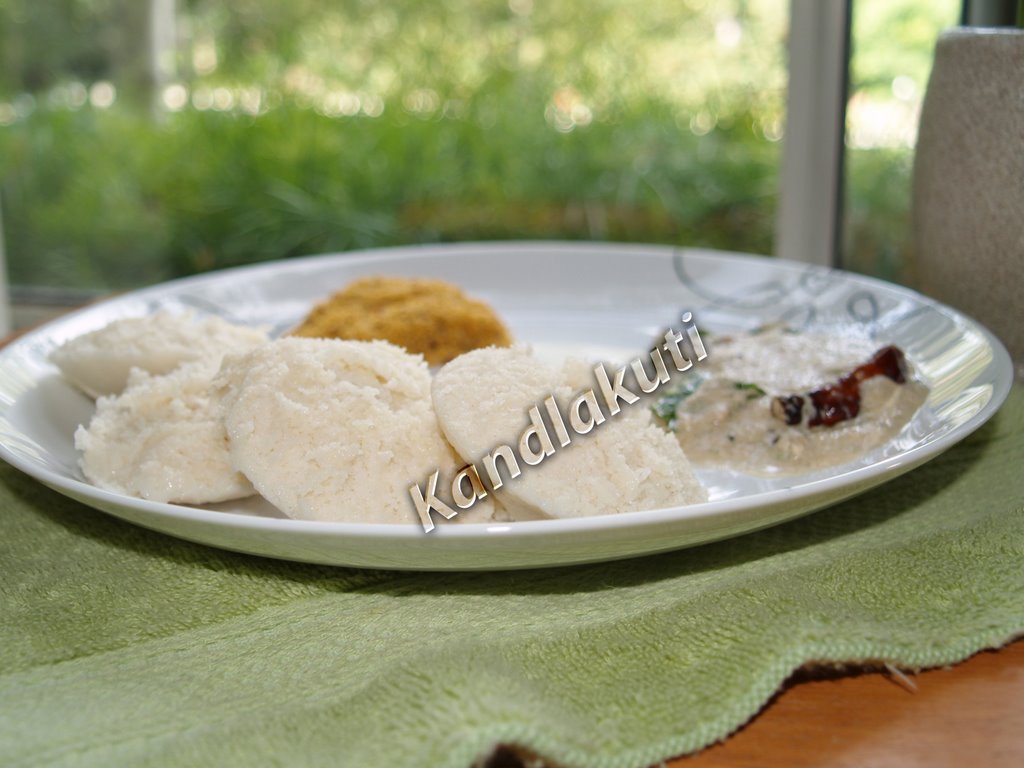
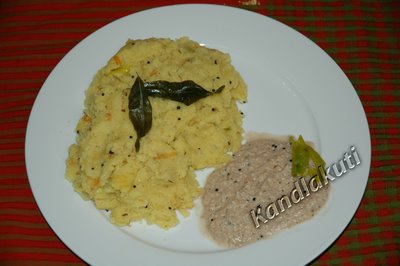
Tomato Baath, as know is preparing with Semolina, just like Upma with an additional guest that is, Tomato. This dish I tasted for first time in my PostGraduation Days at one of my friends home. It was really too tasty. Later, after my marriage I heard about this dish from my husband. It is very common and a must breakfast served along with peanut chutney for the guest in marriages at my In-laws-side i.e., famous in Nellore and near by areas. About one more thing I was surprised at is, when I started searching for this recipe (expecting some other variations), I found this mostly made with rice. This is another new thing I came to know about tomato baath:-)..Thanks to all other food bloggers, helping a lot in discovering different kind of recipes through out the world. Peanut chutney seen in the picture is the recipe I always do, adopted from Falvours Of Indian Rasoi by Lakshmi. This time I wanted to mention the method for it in my blog with little variations. Here I go with thease two recipes.....
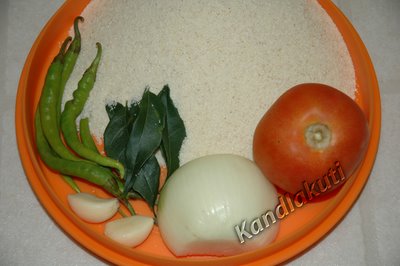 Main Ingredients For Tomato Baath Namely: Green Chillies, Garlic Cloves, Onion, Tomato, Curry Leaves and Semolina Or Upma Ravva
Ingredients For Tomato Baath:
-------------------------------------------
2 cups of Semolina or Ravva (cup here is equalant to rice cooker cup)
1 medium sized tomato (cut into small pieces)
5 to 6 curry leaves
1 small onion or 1/2 of medium sized 1 big onion
4 to5 green chillies (slitted or cut into small pieces)
1/2 tsp mustard seeds (aavalu)
1/2 tsp cumin seeds (jilakara or jeera)
2 garlic cloves
1/4 tsp of turmeric powder( pasupu)
5 cups of water (cup here is equalant to rice cooker cup)
salt as per taste (I add 1 1/2 tsp fo salt for two cups of ravva)
oil for cooking (I use 4 to 5 tsp of oil)
Method:
-------------
Ingredients For Peanut Chutney:
-------------------------------------------
1 cup peanuts (roasted and skin removed or can be made with skin too as per your choice, not being any difference in taste)
4 to 5 green chillies
1 tsp channa dal (optional)
1tsp fresh grated coconut (optional)
1/2 cup fresh cilantro
small size tamarind (soaked in warm water)
1 tsp jeera or cumin seeds or jilakara
1 small onion
1 tsp mustard seeds
1 stem curry leaves
1 or 2 dry red chillies
salt as per taste
oil for cooking
water as required
Method:
-----------
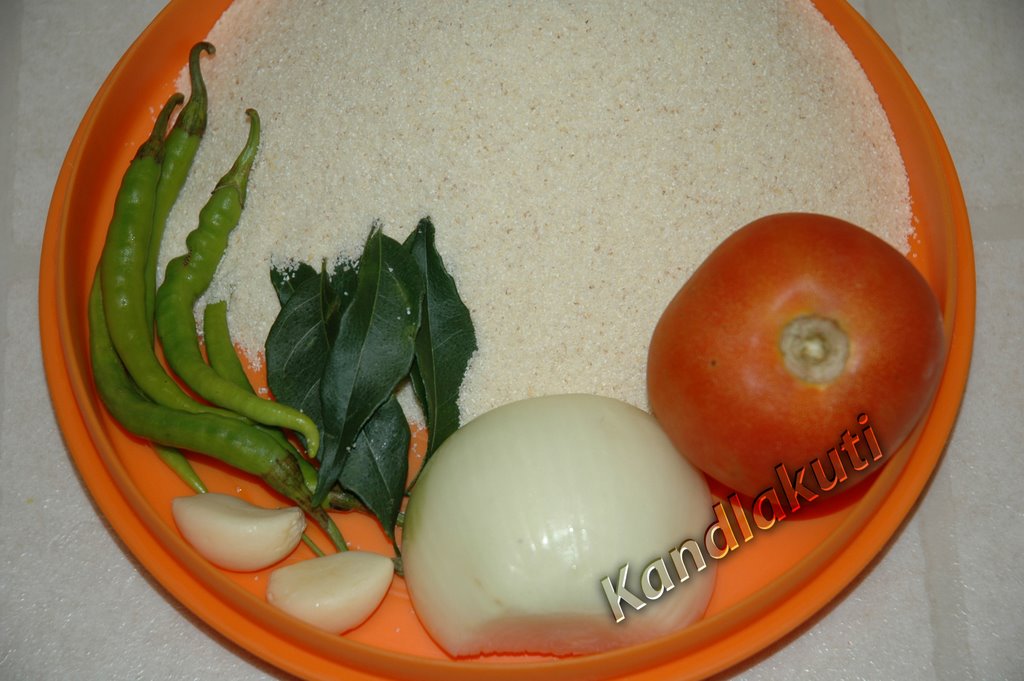 Main Ingredients For Tomato Baath Namely: Green Chillies, Garlic Cloves, Onion, Tomato, Curry Leaves and Semolina Or Upma Ravva
Ingredients For Tomato Baath:
-------------------------------------------
2 cups of Semolina or Ravva (cup here is equalant to rice cooker cup)
1 medium sized tomato (cut into small pieces)
5 to 6 curry leaves
1 small onion or 1/2 of medium sized 1 big onion
4 to5 green chillies (slitted or cut into small pieces)
1/2 tsp mustard seeds (aavalu)
1/2 tsp cumin seeds (jilakara or jeera)
2 garlic cloves
1/4 tsp of turmeric powder( pasupu)
5 cups of water (cup here is equalant to rice cooker cup)
salt as per taste (I add 1 1/2 tsp fo salt for two cups of ravva)
oil for cooking (I use 4 to 5 tsp of oil)
Method:
-------------
- Roast semolina or ravva on low heat in a deep sauce pan till it changes evenly in color to light brown. Here you can also fry with 1tsp of oil or 1 tsp of ghee (which are optional) and keep aside.
- In the same sauce pan heat oil for cooking, add mustard seeds, cumin seeds, mashed garlic cloves (or cut into tiny pieces), green chillies and curry leaves in mentioned order, one after the other giving time for spluttering of mustard seeds and cumi seeds. Fry all togeather for 1 to 2 minutes.
- Now add onions and fry till they become soft and trasparent.( Remember here, for upma and tomato baath, onions should not change there color. They should not be fried for long time. They just need to become soft and transperant).
- Now add tomatoes and 1/4 tsp of turmeric powder. Mix well and cook till tomatoes become soft.
- Add water and salt. Cover the sauce pan and bring the contents to boil.
- Once the water starts boiling, reduce the heat to low and start adding semolina or ravva with your left hand taking semolina a handfull every time and use right hand for mixing the ravva in the water simultaneously. This is to avoid forming any lumps. Here you should be very careful. i.e., why I mentioned reduce the heat and add slowly so that you will get time to add complete ravva step by step and could mix well.
- Mix well after adding complete ravva with other ingredients and allow to cook with covered lid on medium heat for about next 5 to 6minutes or until ravva is cooked well.
- Serve hot with peanut chutney.

Ingredients For Peanut Chutney:
-------------------------------------------
1 cup peanuts (roasted and skin removed or can be made with skin too as per your choice, not being any difference in taste)
4 to 5 green chillies
1 tsp channa dal (optional)
1tsp fresh grated coconut (optional)
1/2 cup fresh cilantro
small size tamarind (soaked in warm water)
1 tsp jeera or cumin seeds or jilakara
1 small onion
1 tsp mustard seeds
1 stem curry leaves
1 or 2 dry red chillies
salt as per taste
oil for cooking
water as required
Method:
-----------
- Roast peanuts and keep aside to cool. They should be roasted evenly. So maintain low flame through out.
- Heat 1 tsp of oil, add cumin seeds and fry for few seconds and then add green chillies and onion (cut into big chunks).
- After onions turn soft, add soaked tamarind from above and keep aside till its temperature comes down to room temperature.
- Now in a blender, add roasted peanuts, above fried mixture (mentioned in step 3), channa dhal, grated coconut , salt and required water (decide a/c to the thickness of the paste you want).
- Finally add tempering to the above mixture by heating 2 tsp of oil and adding mustard seeds, 1 to 2 dry red chillies and curry leaves.
- Serve this chutney with upma or tomato baath. Tastes great for both, especially for tomato baath.
Labels: breakfast, chutney, peanut, peanut chutney, semolina, tiffins, tomato, tomato baath, upma